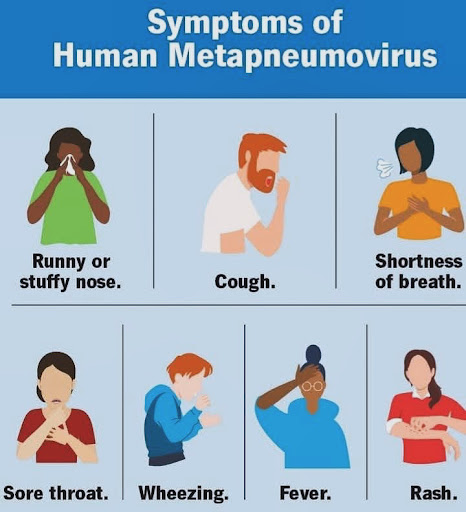
Human metapneumovirus (HMPV) is a respiratory virus that primarily affects the respiratory system…
Human metapneumovirus (HMPV) is a respiratory virus that primarily affects the respiratory system, causing a range of illnesses from mild cold-like symptoms to severe lower respiratory infections such as bronchiolitis or pneumonia. It was first identified in 2001 in the Netherlands, although studies suggest it has been circulating in humans for decades before its discovery.
Characteristics and Classification
HMPV belongs to the Paramyxoviridae family and the Metapneumovirus genus. It is a single-stranded, negative-sense RNA virus. The virus is closely related to the respiratory syncytial virus (RSV) and shares many clinical and epidemiological features with it.
Epidemiology • Prevalence: HMPV is a common cause of respiratory infections worldwide and can affect individuals of all ages. However, it is particularly prevalent among young children, the elderly, and immunocompromised individuals. • Seasonality: In temperate regions, infections typically occur in late winter and early spring, similar to RSV and influenza.
Transmission
HMPV spreads through: 1. Respiratory droplets from coughing, sneezing, or talking. 2. Direct contact with infected individuals. 3. Contaminated surfaces, followed by touching the face, especially the nose, mouth, or eyes.